Humane World for Animals, formerly called Humane Society International, launches "The Unseen Life of Farm Animals", a powerful campaign that exposes the hidden suffering behind industrial farming

Alamy
Farm animal welfare
Whole industries have been built on animal suffering, but it doesn’t have to be that way. Show world leaders that you support a transition toward a more resilient, plant-centric food system.
By the numbers
We must rethink our global food systems to protect farm animals and the planet. At Humane World for Animals, we're combining science, advocacy, and corporate engagement to persuade food companies, financial institutions, governments, and producers to improve the welfare of farmed animals and transition toward a more humane food system.
97.6 billion
land animals
are kept and slaughtered for food globally each year, most confined in industrial factory farms.
87.2 billion
chickens
suffer annually in cramped conditions — kept and killed for meat or caged for egg production.
2,000+
food companies
have pledged to eliminate cage confinement for hens and pigs in their supply chains.
Inhumane farming methods
Industrial animal agriculture is one of the largest drivers of animal suffering worldwide. Billions of animals endure extreme confinement in cages or crates so small they can barely move, denying them the ability to express natural behaviors.

Sharabdi Chakrabarti/We Animals Media

Andrew Skowron/We Animals Media

Jo-Anne McArthur/Eyes On Animals/We Animals Media
Use your voice
Speak up for farm animals
More than 97.6 billion farmed animals are kept and killed for food each year, causing immense animal suffering and releasing greenhouse gas emissions at levels on par with all cars, planes, trains and boats around the world combined. We need to prevent the suffering of animals on factory farms and protect the world around us.
What is factory farming?
Many people have a vague idea, but few know the true extent of the horrors in these massive operations. Animals are cruelly confined for their entire lives in these brutal and violent places where the only way out is a horrific death. Most are denied any opportunity to express their natural behaviors, and will never breathe fresh air or feel grass beneath their feet.
For farm animals: We must rethink our food systems
Industrial animal agriculture is one of the largest sources of animal suffering in the world. Among the many animal welfare problems, billions of animals are confined to cages or crates so small they can barely move.
Our work for farm animal welfare issues
From advocating for humane farming legislation to collaborating with corporations on cage-free and crate-free policies, Humane World for Animals is driving progress for farmed animal welfare worldwide. Learn more about our farm animal welfare campaigns.
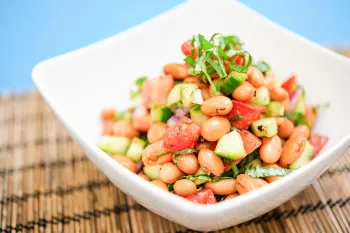
Swap meat for beans once a week! One simple swap can make a big difference for animals. Every Wednesday, we make delicious, healthy and filling bean-based meals, leaving meat off our plates. It’s not about being perfect—just eating good food and making small changes that add up.

We work with farmers and producers around the globe to help transition to operations where animals can move more freely, engage in natural behavior, and thrive in enriched environments.

We help farmers transition to cage-free and crate-free housing systems, work with food companies to adopt and implement meaningful animal welfare policies and campaign to end abusive farming practices.

We have helped thousands of dining operations develop practical, plant-forward menu solutions that satisfy diners, support sustainability goals and help manage costs.

We guide schools, hospitals, food service companies and others in creating and implementing sustainable, plant-based food policies and commitments. We provide them with technical assistance such as culinary trainings, recipe and menu development, webinars, marketing support and sustainability analyses to successfully meet their goals.
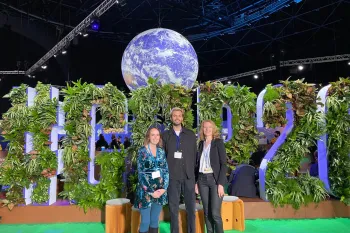
We’re using science and advocacy to persuade corporations, financial institutions, food and food service companies, governments and producers to improve the lives of farmed animals kept and killed for food and shift toward a more plant-forward, climate-friendly global food system.
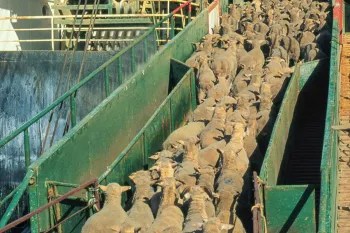
We're working to bring animals into conversations about food justice, supporting efforts to help informal pig farmers transition to plant-based food production and campaigning to end the live export of animals by sea for slaughter.
Chickens, pigs and other animals used for food can experience a wide range of emotions, including pain and distress, just like the beloved dogs and cats we share our homes with. But right now, millions of farmed animals are locked in cages so small they can barely move, and are subjected to various other routine horrors. Humane World for Animals works tirelessly to end the cruelest production practices in the meat and egg industries, while helping people get access to delicious plant-based meals.
Chris Holbein, Humane World for Animals

Sara Kerens/AP Images for Humane World for Animals
All Animals magazine
Vegan Chef Priyanka Naik shares her plant-based journey
Chef Priyanka grew up with the notion and the value that animals are extremely sacred.
Help farm animals
Every action matters. Join our efforts to end factory farming cruelty, protect farm animals, and support a more compassionate food system. Discover ways to help farm animals today.

Petition to Kroger
Sign this petition to Greg Foran, the CEO of Kroger, urging the company to keep its animal welfare promises and stop using cruel cages.

End cruel confinement
Ask Canada grocery retailers to require real progress for farmed animals.

Misleading animal food product labels
Consumers deserve honest and transparent information on meat labels.

Urge Quebec to prohibit force-feeding for foie gras
Force-feeding animals until their organs become diseased urgently needs to end.
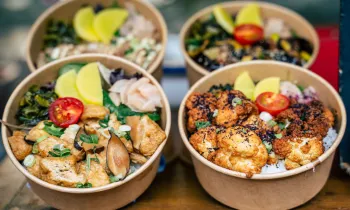
Join the plant-based revolution
Join the plant-based community and pledge to EatKind for animals, people and the planet.
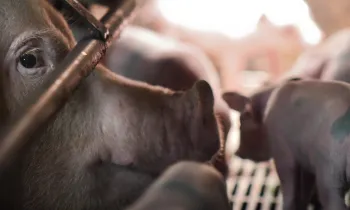
Act now to protect Proposition 12
Pigs deserve to turn around. Prop 12 provides farm animals with protections like this, and more.
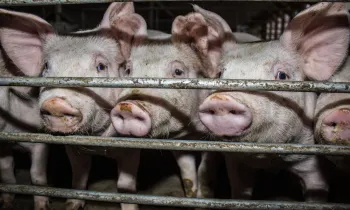
Ban farrowing crates in the UK
It is cruel and unnecessary to force mother pigs to be locked in narrow metal cages.

Speak up for animals suffering on factory farms
Prevent the suffering of animals on factory farms and protect the world around us.
Frequently asked questions
- Eat less meat: Reducing or eliminating your consumption of animal products is the most direct way to decrease demand for factory farming.
- Buy humane: Look for labels like "Certified Humane" or "Animal Welfare Approved" when buying animal products.
- Support better policies: Contact your representatives to support legislation protecting farm animals from cruel practices.
- Spread the word: Educate your friends and family about farm animal welfare issues.
- Support organizations like Humane World for Animals.
Understanding labels is key to making informed choices. Here's a quick rundown:
Cage-free
For hens, this typically means they aren't confined to battery cages, but it doesn't guarantee access to the outdoors. They may still be in crowded indoor environments. While it's better than cages, it's not the gold standard.
Pasture-raised
This generally indicates that animals have access to pasture, but the amount of time and quality of pasture can vary widely. Look for specifics about how much time they spend outdoors and the quality of the grazing land. This is generally considered a higher-welfare option.
Important note: These terms aren't always strictly regulated, so it's crucial to do your research and look for credible third-party certifications like "Certified Humane" or "Animal Welfare Approved" for stronger guarantees. These certifications have specific standards and auditing processes to ensure animals are raised with higher welfare.
Factory farming, also known as Concentrated Animal Feeding Operations (CAFOs), is a system of raising livestock in intensive, confined conditions. The primary goal is to maximize efficiency and profit by producing the largest amount of meat, milk, or eggs at the lowest possible cost.
This often means:
- Animals are crowded and can't move freely.
- Conditions are stressful and unsanitary.
- Antibiotics are used to prevent disease.
Factory farming raises ethical and environmental concerns. Humane World For Animals advocates for humane, sustainable practices that prioritize animal welfare.
Learn more about the issue
Understand the scope of the problem and why change is vital.

Backyard chickens give us a glimpse into the complex social and intellectual lives of chickens.

The animal agribusiness toll on farm animal welfare, the environment, and public health.
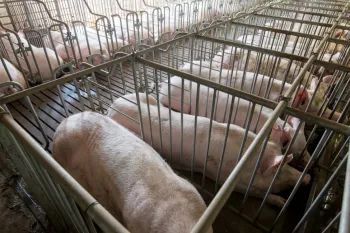
Animal agribusiness and its toll on animals, the environment, and health.

Imagine spending your entire life in a cage so small you can’t even turn around.
Latest News
„The Unseen Life of Farm Animals” – Humane World for Animals launches a public campaign to raise awareness on farm animal welfare and inspire compassion in Romania
Romania
More than 62,000 Italians call on Senate to ban the caged confinement of farmed animals
Italy
|Europe
More than 62,000 certified signatures in support of a popular legislative initiative bill calling for a nationwide ban on the use of cages for all animals farmed for food have been officially
Travis Barker urges compassionate choices for animals in new Humane World for Animals campaign
Global
|United States
|Germany
WASHINGTON – Today, Blink-182 drummer and longtime animal lover Travis Barker sheds his bad boy image for a good cause. Barker is teaming up with Humane World for Animals, formerly called the Humane
You can help farm animals
You can help farm animals
Animals on factory farms never breathe fresh air or feel grass beneath their feet. Your generous gift will support our efforts to improve their lives and other animals in need.
S. Chakrabarti/