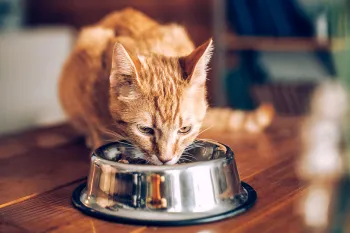
Your pets tend to focus on what you put into their bowls, and when. But as their caretaker, you also need to clean their bowls regularly—and properly.
“Some people say, ‘Well, when my dog or my cat finishes eating, I wipe it out with a paper towel. Isn’t that sufficient?’ No, it’s not,” says Dr. Barbara Hodges, a veterinarian with our Humane Veterinary Medical Alliance.
You can’t see all the potential dangers lurking in the bowl, especially biofilm, a thin residue that contains microorganisms that can pose health problems for your pets.
Hodges offers the following tips for better pet food and water bowl hygiene.
Wash after each meal. If your pet eats discrete meals—say, your dog has one meal in the morning and one at night—wash the bowls after each meal. For cats, who tend to nibble at their food throughout the day, make sure to clean their bowls thoroughly at least once daily.
Use warm, soapy water. A mild dish soap with warm water, applied with a sponge, removes biofilm. Even better? Running dishwasher-safe bowls through a dishwasher allows for hotter water and the machine automatically dries the bowls—but it’s not required.
Avoid plastic. Bowls made of nonporous materials, such as glass and stainless steel, are easiest to clean, followed by those made of nontoxic, lead-free ceramics (as long as they’re smooth). Plastic bowls are not recommended; some pets are allergic to them.
Regular cleaning is also key to ensuring that your pets eat and drink enough, Hodges says. “Your dog or cat may not go on strike because of a dirty bowl, but they might be less likely to eat or drink from it, especially the longer you leave it.”
Ask All Animals:
Can we transmit diseases to our pets and, if so, how can that be prevented?
Fortunately, most diseases don’t pass from people to pets. But in rare cases, cats and ferrets can catch COVID-19 and influenza from humans because their respiratory systems have the same receptors as ours, says Dr. Gail Hansen, a veterinary public health consultant and Washington, D.C., representative for the Humane Veterinary Medical Alliance. Cats and humans also have been known to pass strep back and forth.
Other diseases pets can get from us: norovirus, MRSA (an antibiotic-resistant bacteria that causes infections) and diarrhea from parasites or bacteria. How to prevent this? If you’re sick, wash your hands and stay away from your pets, says Hansen. “Don’t cuddle them.” If your pet develops the same symptoms as you, take them to a veterinarian. The odds are against them having what you have, but it can happen.
—Karen E. Lange
FG Trade/Getty Images
Resources to help care for your pets
Find expert tips and trusted resources on pet care, animal behavior, humane wildlife management, and animal advocacy.
Related Stories
Photo: Anna Reshetnikova; Emojis: JDawnInk/Getty Images
From TikTok to Instagram, viral pet challenges raise concerns. Learn which trends are safe for dogs and cats, and which to avoid.
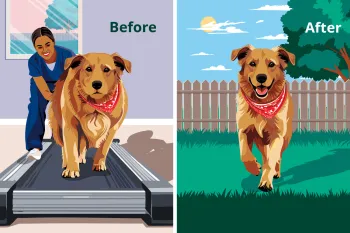
Rachel Stern/Humane World for Animals
With lots of patience and veterinary support, we can help our pets lose weight and support them in living healthier, happier lives.

Rachel Stern/Humane World for Animals
Pets grieve too. Here's how to recognize the signs of animal grief and offer comfort and support your pet during loss.
